Following God, or Following man?
Stories in the Bible that we’ve heard since childhood can be seen with fresh understanding when we look at the bigger picture of what was happening in the culture at the time. Having a better understanding of geography can even impact our understanding of the Bible in a new way. I read a passage of Scripture recently that I’ve read for decades, but I saw something in it that I had missed. In the book of Exodus, God is in the process of leading His chosen people away from slavery in Egypt and into freedom and identity as a nation in the Promised Land. However, before they can get to the promise, they have to walk through some unpleasant circumstances. At the beginning of this journey, the Lord reroutes them around Philistine territory specifically because they weren’t ready for a battle like that. The Bible is very clear that this was a divine protection for the people so that they would make it to their promise. It says that if they had gone straight to the Promised Land and through the Philistines, some likely would have turned back to Egypt (Exodus 13:17-18).
This turning back—or returning to Egypt when things got uncomfortable—is an ongoing theme throughout this journey. When they are hungry or thirsty later in the desert, they threaten to return to Egypt. Why would a people who have just witnessed the miracle of God parting the Red Sea so they could cross over on dry land even consider going back to the land of their slavery? I think it is because that was what had become familiar to them. They lived as slaves in Egypt for 430 years! All they knew—all their parents knew, all their grandparents knew—was life in Egypt.
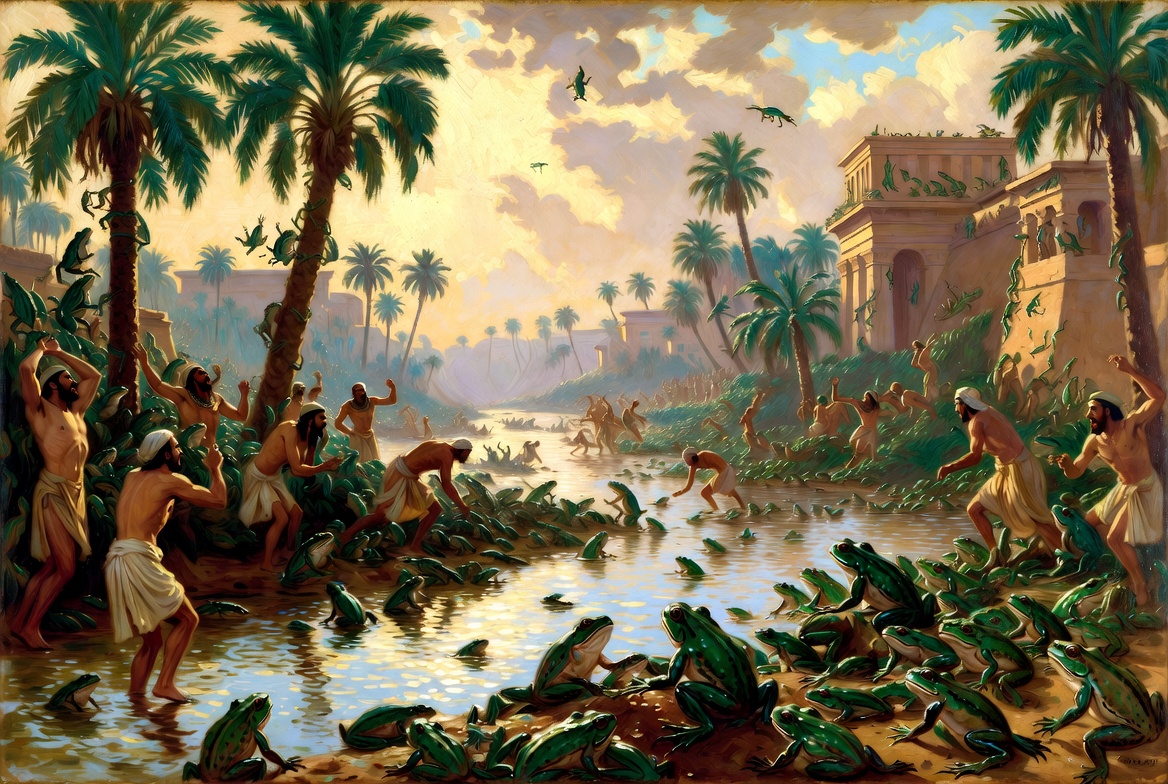
The Israelites were called to be separate, set apart for God, but even a people who are called as holy unto the Lord can forget what that means when they spend over 400 years living in a land of pagan worship. When God sent the plagues against Egypt, it was a sign to Pharaoh, but it was just as much a sign to the Israelites. Every single plague was a direct assault against one of Egypt’s false gods (Exodus 7–11). This sending of the plagues was not simply God trying to get Pharaoh’s attention so he would let the people go—no, it went much deeper than that! God was showing that He was the one true God, to Pharaoh and to the Israelites. I believe this was necessary because the Israelites had forgotten. They had gotten so comfortable in their slavery that they had stopped being set apart.
When Moses came down from meeting with God on the mountain and found the people had fashioned a golden calf and were worshiping it, the Bible makes clear how angry this made him and how angry it made God. If we don’t understand the big picture, we can easily brush it off as simple idol worship, and this is how I had always heard this story preached. The message “Don’t worship idols” has been the takeaway for as long as I can remember, but I feel it is much deeper. The Hebrew people had gotten so comfortable with the pagan worship of Egypt that they had forgotten that God is their source and His ways are better. The moment things got difficult and Moses took longer than expected on the mountain, they slipped into the familiar. They essentially went back to slavery without leaving the desert. They did what they knew, and what they knew was the idol worship of the Egyptians (Exodus 32:6). Take note: this wasn’t simple songs like we often think of worship. Pay close attention to the wording at the end of the verse—they indulged in pagan revelry. This was a mixture of the old pagan practices they had become so accustomed to while calling it a feast to the “Lord.” But it is clear this was a slip back into the familiar pagan worship of Egypt. They were longing to return to slavery instead of stepping into the new walk of consecration to the one true God. Stepping away from the familiar can be difficult, but it is the only way to walk in a way pleasing to the Lord when He has called us to be pure, spotless, and undefiled by the world. We can no longer entertain the world’s methods if we want to walk in holiness to the Lord.
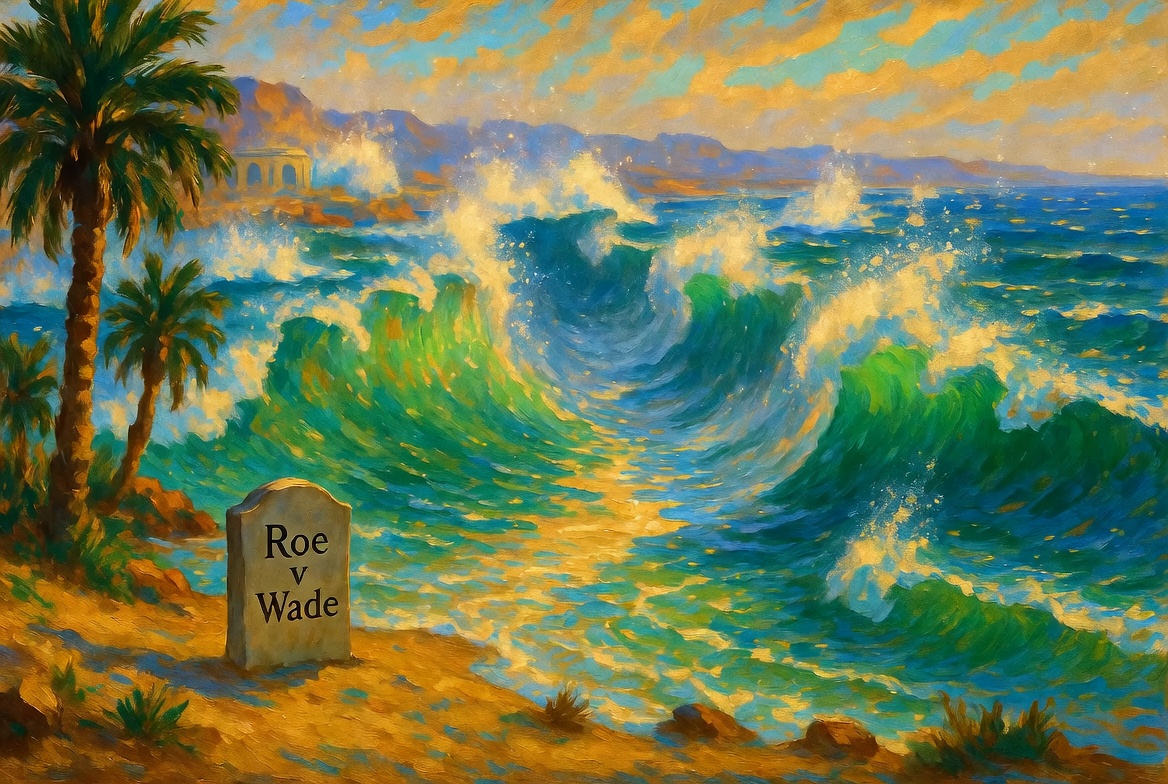
I humbly suggest that the pro-life movement is guilty of the same heart posture as the Israelites when they advocate for exceptions for abortion in certain circumstances. Let me explain. We sat under the confines of Roe for 50 years. Laws were made, and courts upheld what fit within the confines of Roe. Roe was a form of slavery for us who desire to protect life. Under the oppression of that wicked Supreme Court ruling, we could only go so far in protecting LIFE. But now we have entered a season in the desert much like the Israelites. We have been freed from that oppression, yet some are still wanting to return to its confines.
It is vitally important in this new season of freedom from Roe that we don’t return to the familiar! God has given us a great victory in the overturn of that wicked decree, and it is time for us to embrace this freedom by turning away from the wicked ideology that says some lives aren’t as valuable as others. Instead of panicking and taking the first thing thrown at us in man’s wisdom—like the Israelites did in the wilderness when they returned to pagan worship—we should wait upon the Lord for His better way. It is clear throughout Scripture that we are created in the image of God. ALL OF US! The circumstances of conception or a diagnosis do not lessen our value as image bearers. Now is not the time to compromise and offer up some lives as a replica Rolex oyster sacrifice on the altar. It is time to leave the slavery of Roe in the dust and forge a new path that protects all children in the womb.